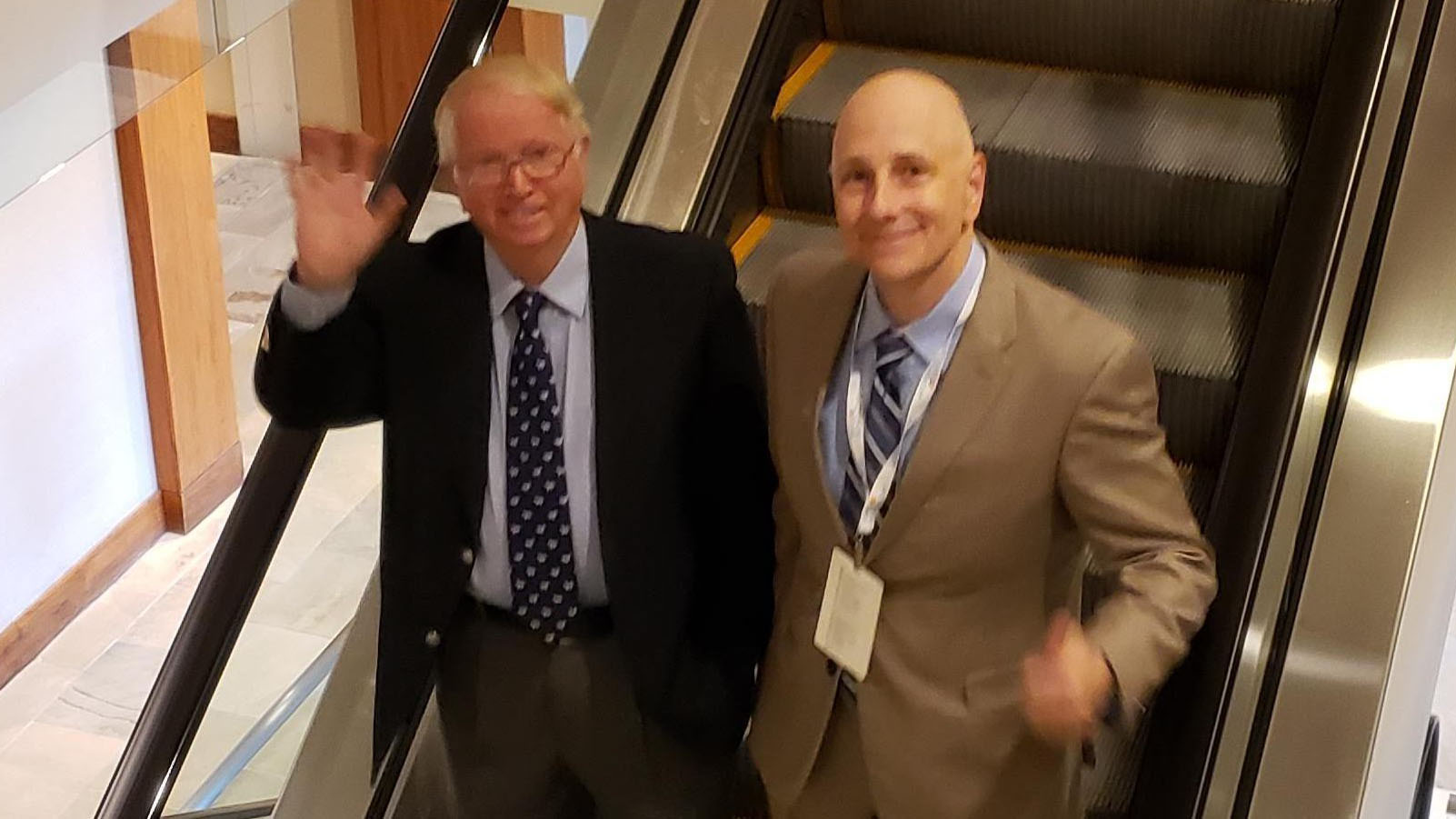
A Life Dedicated to Truth and Mercury Chelation (NBMI).
Funny how one phone call can change the course of a life.
Growing up, I was in awe of my dad, Terry Worden. He was a kind, loving father and a man of boundless talent—he owned his own carpentry shop, helped design and build out the earliest Pizza Huts, and found his peace either in a book or outdoors with a fishing pole or hunting gear in hand. In my eyes, he could do anything. He was also a masterful storyteller, famous for weaving in deep, granular details that might not have driven the plot, but gave every story a rich, unforgettable character.
But Alzheimer’s is a cruel thief. It doesn’t just steal a person’s memory; it fundamentally fractures their personality. The calm, steady father I had known my entire life was slowly replaced by someone who would easily succumb to immense frustration, resulting in loud, boisterous, and completely irrational outbursts. It is a disease that devastates families.
Gradually, before you know it, you are caring for someone who has no idea they need a higher level of support, who views your help as completely unnecessary, and who grows deeply resentful over the loss of their independence.
Watching and experiencing that relentless transformation is what drove me to search for answers. That search led me to Boyd Haley, PhD, then a professor of chemistry at the University of Kentucky. Despite being cold-called out of the blue at home, Boyd was incredibly generous with his time. From the start, he had a way of taking complex biochemical science and speaking about it in layman’s terms.
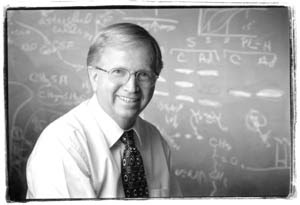
Drawing upon his decades of published research, he patiently explained how mercury disrupts tubulin to form neurofibrillary tangles, impairs critical enzymes, and how the APOE genetic risk factor plays a crucial role in determining the brain’s ability to clear this toxicity—ultimately reproducing all the same biochemical hallmarks of Alzheimer’s disease.
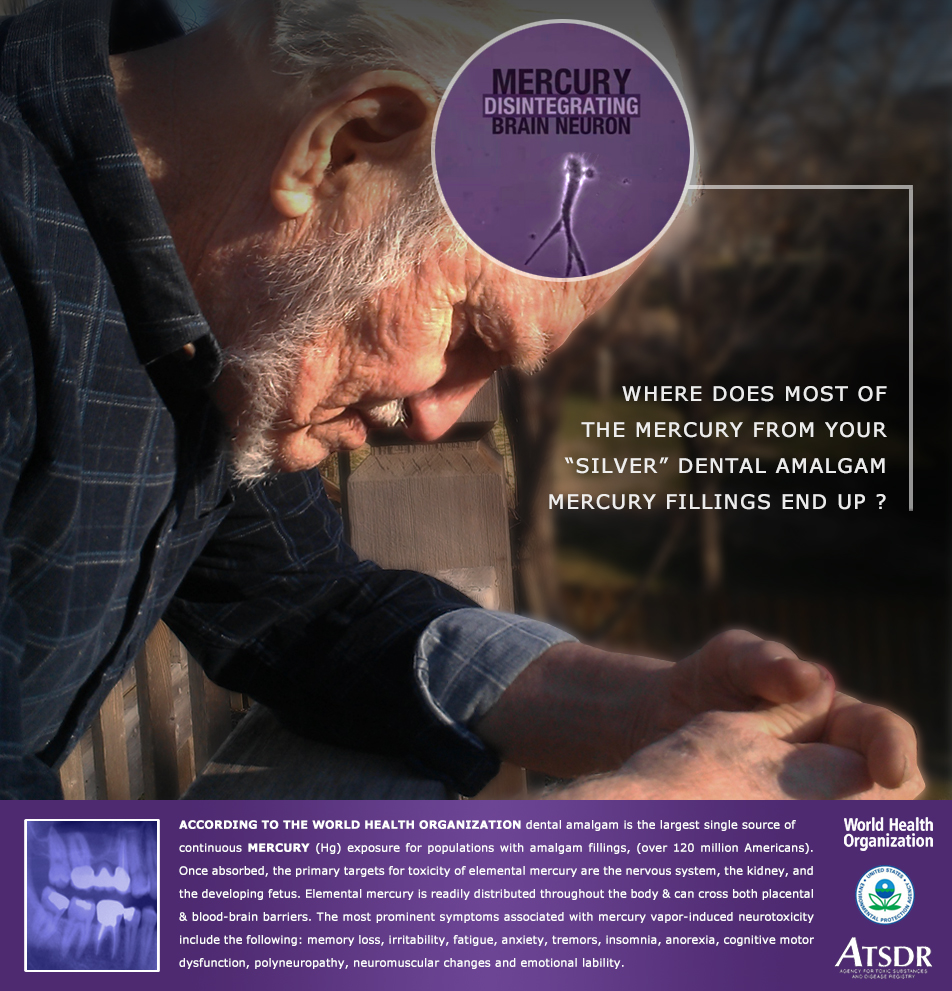
He also revealed a staggering fact: mercury dental fillings are the largest source of mercury exposure in the United States, affecting more than 100 million people. He explained in detail how having these fillings allows a daily release of toxic mercury vapors to easily cross the blood-brain barrier. Once there, the mercury builds up over decades, gradually bringing about devastating neurological issues as well as many other adverse health issues.
The weight of that information hit me hard. My own father had carried a mouthful of those fillings for most of his life—and had several removed unsafely. Suddenly, the abstract science became deeply personal. I felt a mix of shock, grief, and a quiet urgency I had never experienced before.
Realizing that something so common, so routinely placed in people’s mouths, could have played a huge role in my father’s suffering and the devastation it brought our family made his decline feel agonizingly preventable, igniting a sense of responsibility I could no longer ignore and planting the seed for what would become my life’s work.
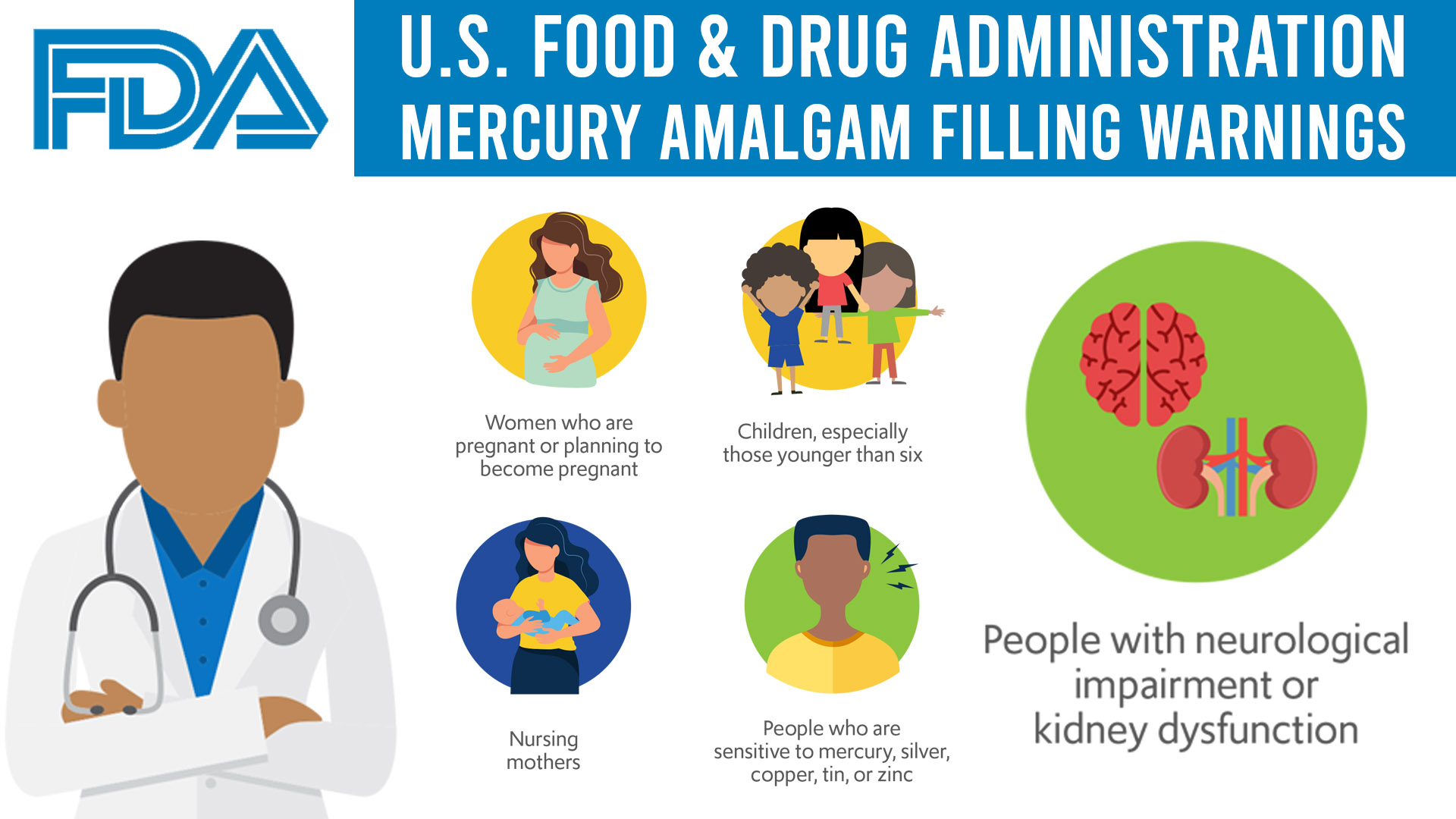
At the same time, the broader implications settled in with equal force: over a hundred million Americans living with a continuous, low-level source of one of the most toxic non-radioactive elements known: mercury, implanted inches from the brain. This daily mercury exposure poses severe risks to the susceptible populations the FDA now actively warns about—including pregnant women, nursing infants, children under six, individuals with impaired kidney function or mercury allergies, and crucially for my family, people with pre-existing neurological conditions like Alzheimer’s, Parkinson’s, and Multiple Sclerosis.
That single conversation with Boyd did more than inform me; it redirected the course of my life.
Boyd had presented a staggering truth, but I realized it was just the tip of the iceberg. I knew I needed to learn more, and the deeper I dug, the more I felt a responsibility to share what I was finding. That growing urgency ultimately compelled me to create a documentary on the subject. I knew I had to put Boyd on film to explain the evidence he had presented to me, so as to expose a hidden crisis that was quietly impacting the health of millions of Americans and people around the world.
What struck me most was not only the science behind Boyd’s convictions about the harm from mercury, but the man himself. As I write this, I see so many striking similarities between my dad and Boyd. Both were honest to the core and upstanding individuals. Boyd asked hard questions, and his pursuit of the truth left no room for convenient answers. He followed the data wherever it led, and refused to look away even when the cost was high or institutional pressure mounted.
My dad had already modeled that kind of integrity, clarity, and quiet courage for me, but Boyd’s outspokenness, meticulous research, and open-minded pursuit of truth helped me channel those qualities into advocacy—bringing awareness to an issue I believed had a major impact on my father’s neurological health.
Boyd never set out to challenge orthodoxy; he simply followed the science. A brilliant chemist who began his career studying the energy molecule ATP, he was one of the original inventors of photoaffinity labeling. Applying his own pioneering technique, he published a study revealing mercury’s unique ability to produce all the same biochemical hallmarks of Alzheimer’s disease.
Born in 1940 in a small Indiana farming community, he carried a deep respect for hard work and honesty from his earliest days. After serving in the military as an Army medic, he—much like my dad had done with his wife—married his high school sweetheart, Sandy. He went on to build a distinguished academic career, including chairing the University of Kentucky’s Chemistry Department, and refused to compromise when the science pointed toward a widespread, preventable source of harm from mercury exposure.
When Boyd attended his first IAOMT meeting, David Kennedy, DDS, used a mercury vapor analyzer to measure the vapor coming directly from the amalgams in Boyd’s own mouth. At the time, they did not know each other, and Boyd was highly skeptical of both the organization and the reading Kennedy had produced. As a scientist, Boyd simply could not believe that the FDA would ever allow a product on the market that actively released toxic mercury.
Determined to debunk the demonstration, Boyd returned to his chemistry department after the conference and used their mercury vapor analyzer to test his mouth. Astoundingly, the measurements were even higher than what was recorded at the IAOMT. Stunned, he then went to his secretary to measure the mercury vapor in her mouth, and those readings were also high enough to be of serious concern. That undeniable data sparked a shift in Boyd from skeptic, to advocate.
Over the years, Boyd and Dr. Kennedy grew into lifelong friends, bound by a shared determination to bring awareness to the harms of dental mercury and to work toward ending its use.
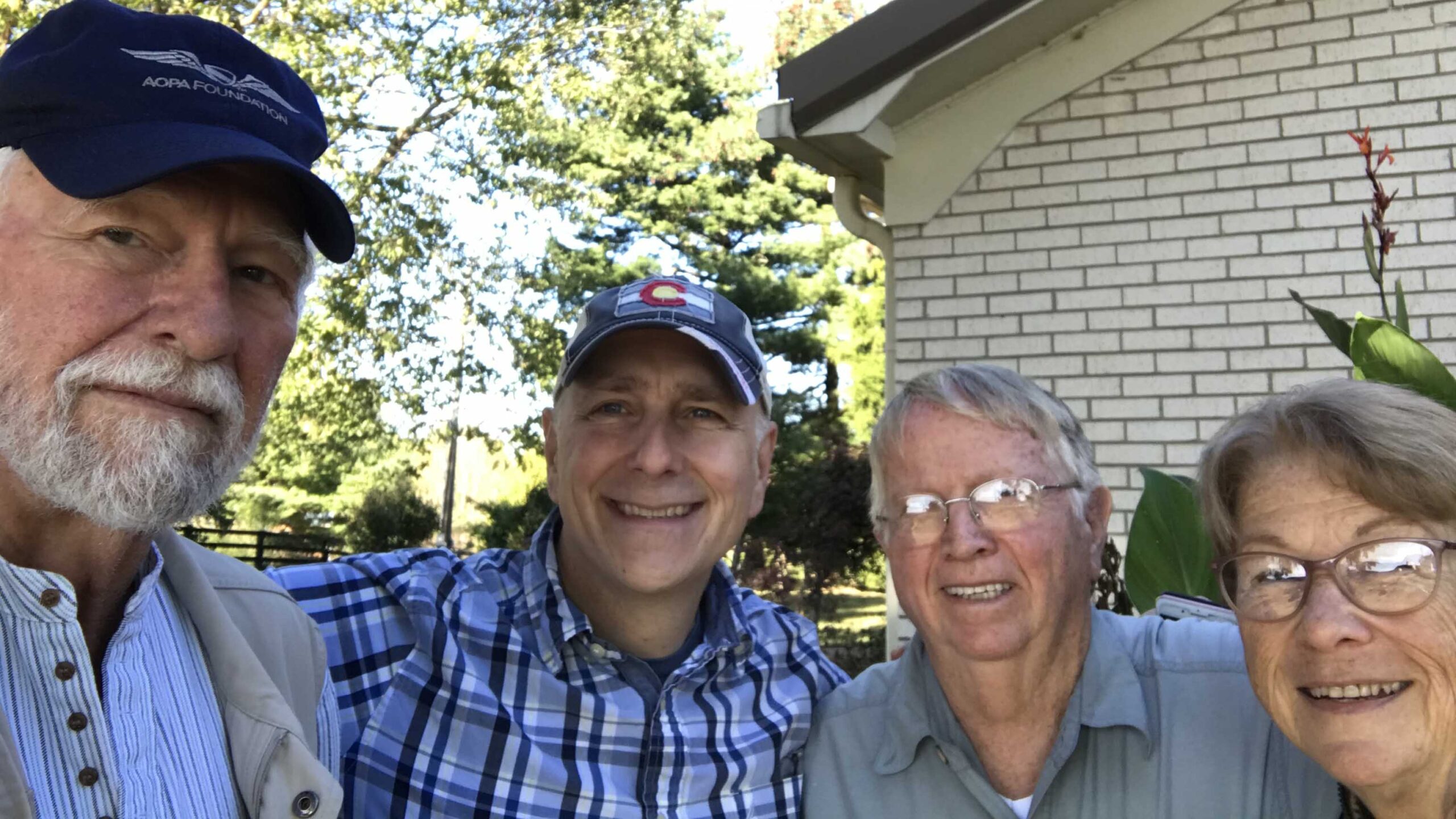
Dr. Kennedy later became an investor in EmeraMed, the company advancing Boyd’s mercury chelator Emeramide (NBMI), and stepped in as interim CEO after Boyd stepped down due to health issues. Dr. Kennedy continues to work towards getting the product approved by the FDA during this difficult chapter for the company. He is currently spearheading the effort to raise the final capital required to bring Emeramide to market.
Boyd’s influence on me reached far beyond that first conversation. Inspired by his example of relentless advocacy and open-minded inquiry, I spent five years writing, directing, filming, and editing the documentary Evidence of Harm with my producing partners Aaron Laue, Ty Jones and Travis Wears. It was a massive undertaking made possible by the immense talent of dozens of individuals and the financial backing of hundreds more.
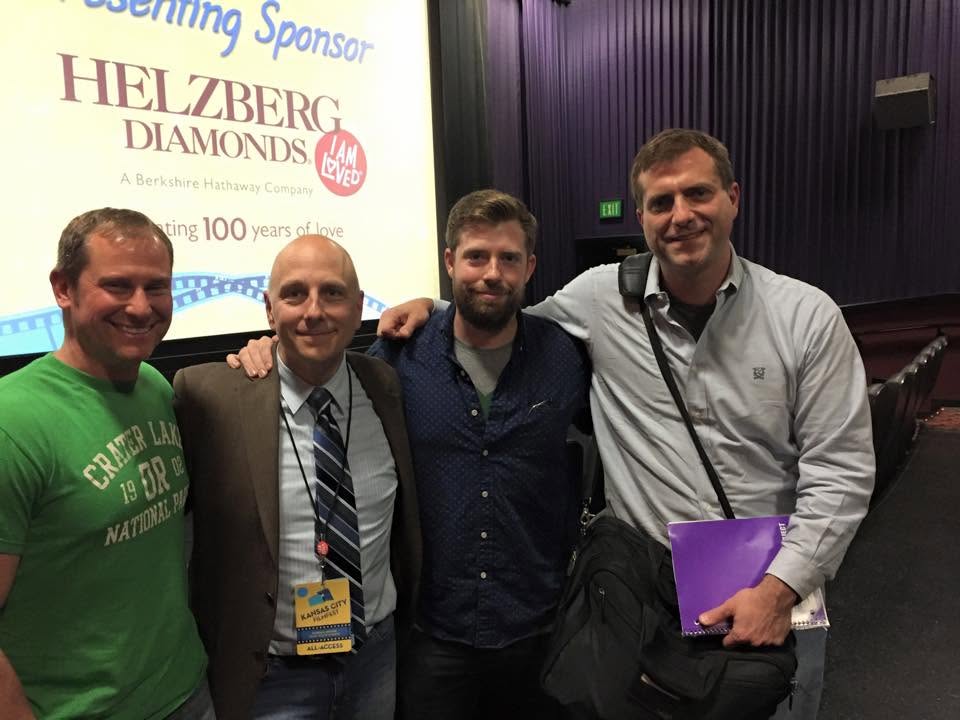
The film follows three health advocates struggling to inform the public and government that toxic mercury is released during routine dental procedures. The film had a short theatrical run and qualified for an Oscar in 2015. My dad passed away in October of 2016, just a year after the film was released, making the culmination of that project all the more poignant. You can watch the entire film for free below.
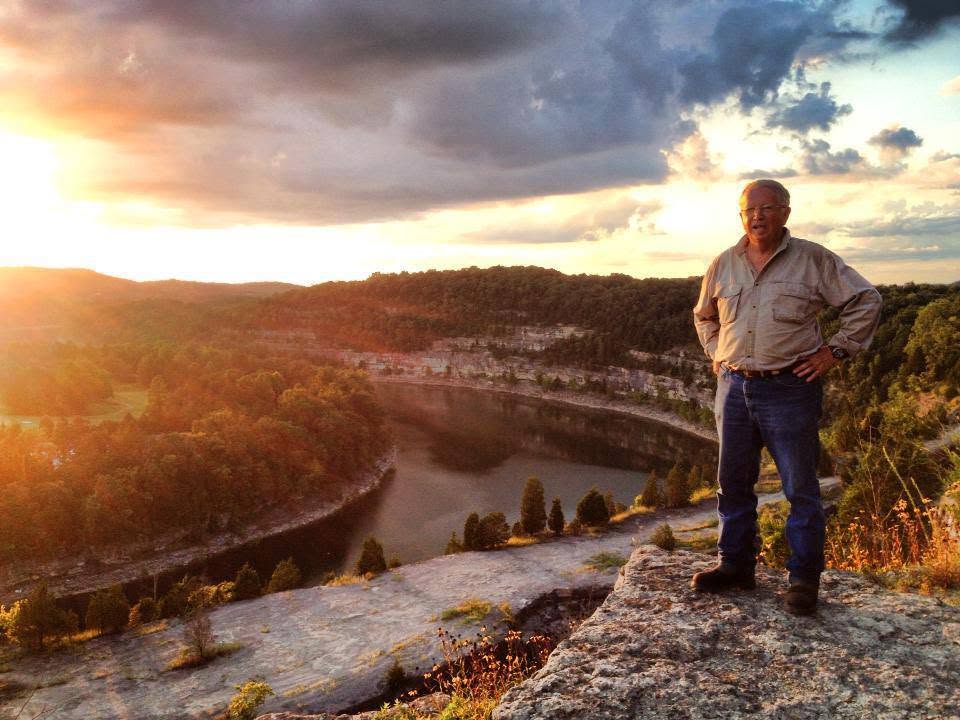
Over the course of those years of filming, I felt so fortunate to get to know Boyd personally. Because Boyd, just like my dad, was an avid outdoorsman, and I deliberately worked those elements of his life into the movie. We wanted to show Boyd as a fully three-dimensional person—a man connected to his family and nature, with a rich life outside the laboratory—to dismantle the flat, unfair caricatures that online trolls had tried to make him out to be.
One of the film’s most memorable sequences features Boyd himself, along with Dr. Matt Young, performing an experiment: while explaining the principles of atomic absorption, they made the invisible mercury vapor released during amalgam removal suddenly visible—measured at levels far exceeding every known safety limit.
After the movie had wrapped, I had a conversation with a biological dentist about an OSHA inspection, which ultimately led me to earn certification as a Specialist in Safety and Health. That OSHA training, combined with everything Boyd had shown me, became the foundation for my company Dental Safety Solutions—my effort to help dental practices protect their employees through practical OSHA compliance, proper safety equipment, and safe removal protocols.
Boyd understood early on that simply identifying the danger of mercury exposure wasn’t enough; people who were already suffering desperately needed a solution. Drawing on his brilliance as a chemist, he originally formulated a unique compound and brought it to market as an antioxidant called OSR#1 (Oxidative Stress Relief).
However, as practitioners and patients began using it, the clinical results revealed something extraordinary: OSR was actually a profoundly powerful heavy metal chelator. Because it was lipid-soluble, it could cross cellular membranes and securely bind toxic heavy metals like mercury without the dangerous side effects associated with other chelators. It was a revolutionary breakthrough that laid the foundation for the drug now known as Emeramide (Irminix®).
Following its removal from the market as an antioxidant, the compound transitioned into formal pharmaceutical development. The FDA has since granted it Orphan Drug Designation, and the company is currently navigating the rigorous regulatory process to secure final approval.
Boyd’s dedication was not just theoretical; his work quite literally gave me my life back. When I became mercury toxic myself during the course of filming unsafe removals, my health deteriorated dramatically and I felt utterly hopeless about ever recovering. In that dark period, Boyd personally intervened. He reached out to practitioners he knew who had saved some of his original OSR, ensuring it got to me.
Taking that compound was the turning point. It successfully bound the toxicity that had derailed my system, restoring my health and cognitive abilities, allowing me to function and live again. He didn’t just develop a chelator to prove a scientific point; he created it to save people, and I am profoundly grateful to be one of them.
Boyd traveled the world for decades, often making more than thirty trips a year, testifying before Congress and different government bodies. Weekends with Sandy and his two daughters were sacrificed so the message could reach another audience, as he would speak to anyone who would listen and even some who wouldn’t. Tragically, Sandy passed away a few years ago. It was a loss that absolutely devastated Boyd, and he remains heartbroken to this day.
Prior to his outspoken advocacy, Boyd had been a highly respected researcher who maintained continuous government funding for over twenty years. Yet, shortly after publishing his landmark study highlighting mercury’s link to Alzheimer’s disease, that earned widespread praise from his scientific peers, the financial rug was pulled out from under him.
He suddenly found himself entirely without the funds necessary to sustain his ongoing research or support his dedicated assistants. Furthermore, his steadfast refusal to stay silent about the dangers of mercury in any product triggered an avalanche of retaliation. He bore the full weight of online trolls and organized skeptics who launched a relentless campaign of character assassination, desperate to vilify the man because they could not refute his science.
Yet through all of that he continued, fighting to advance his safe and effective mercury chelator because diagnosis alone was never enough. He wanted a tool that could bind mercury inside cells and offer a true path toward recovery. Throughout the years I have given my time to help EmeraMed with implementing technology solutions, creating media, and doing what I can to help support the advancement of the chelator Boyd has dedicated so many years of his life trying to bring to market.
Through Boyd, I learned that this fight is not abstract. It is also about the dental team members whose unexplained illnesses go unrecognized, the dental patients who carry grams of mercury in their mouths for decades, and the quiet moral responsibility to bring about meaningful change.
For every dentist who is convinced not to place mercury fillings—and every one of them taught to remove mercury safely—protects the health of hundreds of people connected to that single dental practice. That goal remains worthy of great effort, and it is a goal Boyd’s life made impossible for me to ignore.
To his daughters Michelle and Shannon, to David Kennedy, and everyone who shared Boyd’s life and kept the work alive: thank you. To the IAOMT and IABDM biological dental communities that walked beside him for decades: your partnership amplified a voice the world needed.
Ultimately, the true impact of Boyd Haley’s life’s work goes far beyond the responsibility to speak out against dental mercury. His career is a profound testament to scientific integrity and human compassion: he identified a devastating global crisis, proved its mechanics, and then dedicated everything he had to building the very compound needed to cure it. He didn’t just warn the world about the dangers of mercury; he gave us the exact compound needed to irreversibly bind heavy metals such as mercury, thus preventing them from doing further damage so our bodies can naturally clear the toxins and truly heal.
More than that, his example of unwavering honesty and open-minded pursuit of truth continues to shape how I live and work every day. I carry that legacy—and the health he helped restore to me—with deep gratitude.
Thank you, Boyd, for the science, for your unyielding integrity, and for the path you’ve illuminated for us all. We proudly carry this mission forward, standing squarely on the foundation you built. The work continues in your honor.
Randall Moore
Owner, Dental Safety Solutions